
How to choose the right countertop for a kitchen renovation
The right kitchen countertop is the material that matches how you cook, clean, host, and use the room every day. Appearance matters, but daily function should lead because countertops take the most regular contact in a kitchen renovation.
Renovation cost pressure makes careful selection worth slowing down. Statistics Canada reported that residential renovation costs rose 0.3% in the first quarter of 2025. Choosing well at the start helps protect the budget from rework, rushed substitutions, and installation details that become costly later.
The best countertop starts with how you use your kitchen
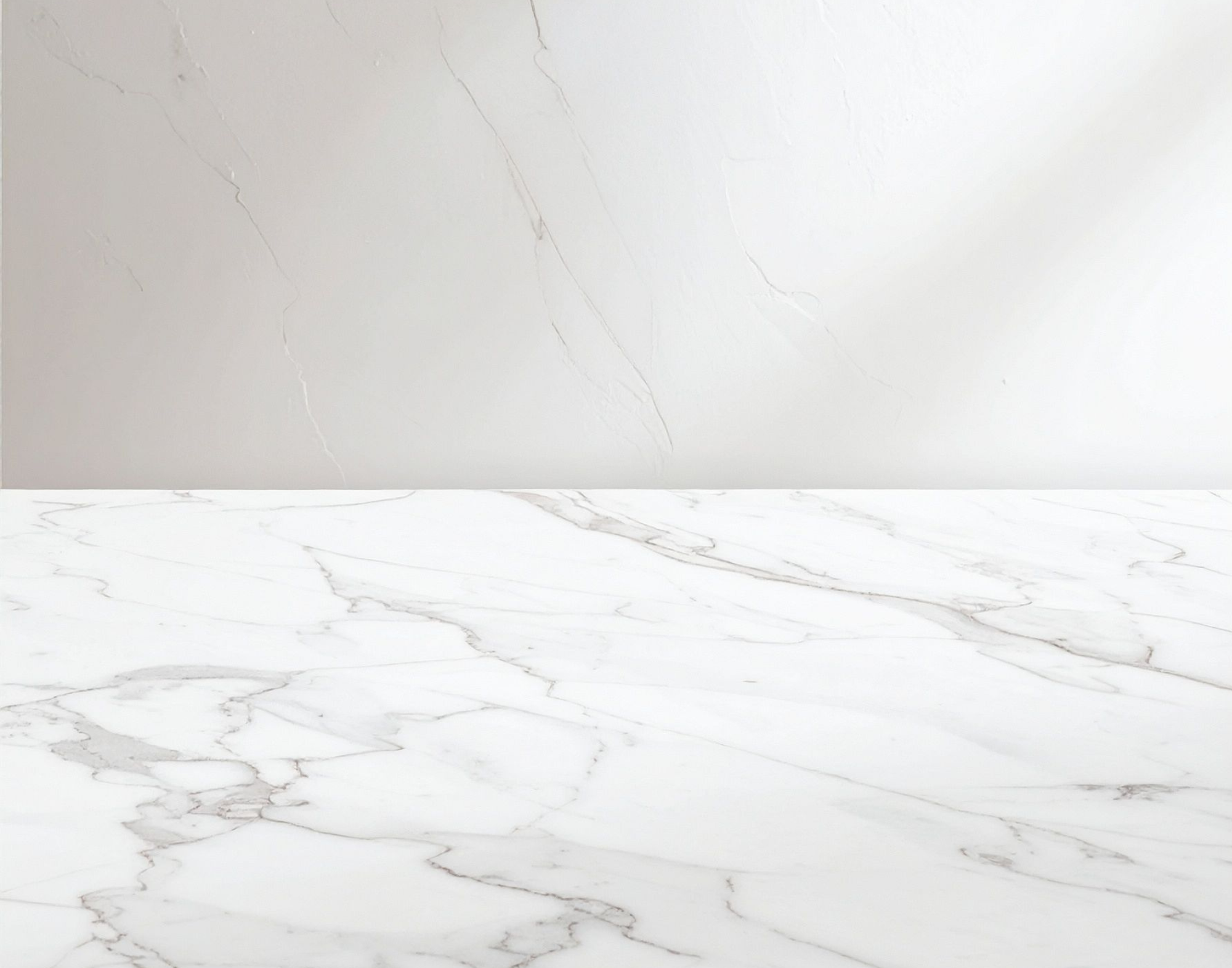
The right countertop is chosen around daily use first. A busy family kitchen needs different performance than a showpiece kitchen used mainly for coffee and weekend meals. Cooking habits, cleaning habits, children, pets, hosting, and storage pressure should come before surface colour. That order keeps the choice practical.
A household that cooks every night will care about stain resistance, wipeability, and how the surface holds up around the sink. A couple renovating a condo kitchen for light use will care more about visual flow and how the counter works with limited cabinetry. Both projects can look refined, but they need different priorities. Treat the countertop as a working surface before treating it as a design feature. That helps you avoid choosing a delicate material for a hard-use kitchen. That simple filter will make every later choice easier to judge.
What countertop material works best for a busy kitchen?
The strongest everyday choice for many busy kitchens is engineered quartz because it offers consistent colour, strong stain resistance, and low routine maintenance. Granite and quartzite also perform well when homeowners want natural variation and are comfortable with proper sealing. Marble suits careful users who accept patina as part of the material’s character.
Daily kitchen use is part of ordinary routine. Federal time-use data found that 66.2% of people did food preparation and cleanup on weekdays in 2025. That matters because the surface will face coffee, oil, citrus, sauces, cookware, and repeated wiping.
Quartz works well for families who want a polished look with fewer care steps. Granite works well for homeowners who like natural pattern movement and will follow sealing guidance. Quartzite gives a high-end natural stone look with strong durability, although proper selection still matters. Marble is beautiful, but it will show etching and wear sooner near cooking zones.
Material choice should come before colour selection
Material choice should come before colour because performance sets the limits for a good renovation. Colour can be adjusted within a material family, but care needs, heat tolerance, stain resistance, and natural variation are harder to work around later. Choose behaviour first, then choose the look.
| A surface choice tells you this | The practical takeaway is this |
|---|---|
| Quartz gives a consistent finished look. | It suits kitchens where easy cleaning and visual consistency matter. |
| Granite gives natural movement across the slab. | It suits homeowners who want unique stone character with routine care. |
| Quartzite gives a refined natural stone appearance. | It suits premium kitchens where durability and natural veining matter. |
| Marble gives a soft classic look. | It suits careful users who accept etching as part of use. |
| Porcelain gives a slim modern profile. | It suits designs where heat resistance and clean lines are priorities. |
A homeowner who loves a bright white marble look but cooks with lemon, vinegar, wine, and tomato sauce every week should pause before committing. A quartz surface with marble-inspired movement will often deliver the design direction with easier daily care. That tradeoff matches the surface to the life of the kitchen.
Durability depends on maintenance habits as much as material
Durability comes from more than a product label. It comes from the match between the material and the care routine you will actually follow. A durable surface can still stain, chip, dull, or mark when it is used in ways the material was never meant to handle. Honest habits matter.
A family that wipes spills quickly and uses cutting boards will get more long-term value from almost any surface than a household that leaves oil, wine, or acidic cleaners sitting overnight. Granite and quartzite need sealing guidance followed properly. Quartz needs protection from direct high heat. Marble needs acceptance that etching will appear with normal use.
The best maintenance plan is the one you will keep. If you want minimal care, choose a surface that supports that preference. If you love natural stone and accept more upkeep, choose the slab with that understanding from the start. Problems often come from a mismatch between expectation and behaviour.
Fabrication quality shapes the final countertop result
A countertop is only as good as the measurement, fabrication, finishing, and installation behind it. The slab matters, but the final result depends on how that slab is planned for your kitchen. Seams, cutouts, edge profiles, support, and fit all shape how the surface looks and performs after installation.
A local fabricator such as ABC Stone will look at the actual layout before the project moves into cutting. An island with a waterfall edge needs different planning than a straight counter against a wall. A farmhouse sink needs careful support and cutout accuracy. A heavily veined slab needs layout planning so the pattern feels intentional instead of interrupted.
This is where custom kitchen countertops differ from basic surface ordering. Good fabrication turns a selected material into a finished piece that fits the room, cabinets, sink, and appliances. Poor planning shows up in uneven seams, awkward veining, rough edges, or openings that feel slightly off.
Kitchen layout should guide seams sinks edges

Kitchen layout should guide technical choices because countertops are fitted pieces shaped to a specific room. Seam placement, sink position, edge selection, overhangs, appliance openings, and slab size all depend on the shape of the room. Good layout planning makes the finished counter feel calm and intentional.
A long run of counter with a large sink cutout needs support and seam planning. A large island with strong veining needs careful slab orientation so the pattern works across the most visible area. A small kitchen with tight appliance openings needs accurate measurements because even a small error can affect fit.
Layout choices affect both appearance and daily use. A seam placed too close to a sink can draw the eye and face more water exposure. An oversized overhang without proper support can create stress. A detailed edge profile can collect crumbs if the kitchen gets heavy use. The right layout decisions make the countertop easier to live with.
What should homeowners ask before choosing an installer?
Homeowners should ask questions that reveal how the installer handles planning, communication, and accountability. Price matters, but a clear process matters just as much. The right installer will explain what is included, what will be measured, how seams will be planned, and what happens before installation day.
Ask who will complete the final measurement.
Ask how seam placement will be reviewed.
Ask what sink and appliance details are needed.
Ask how edge profiles are selected.
Ask what preparation is required before installation.
A vague quote can look appealing until the project reaches the details. Sink type, backsplash height, edge profile, slab layout, removal, plumbing coordination, and cabinet readiness can all affect the final scope. Clear questions help you compare installers on more than price. You are looking for proof that the person quoting the work understands the full path from material selection to installed surface.
Local support helps kitchen countertop projects run smoothly
Local support helps because countertop projects rely on clear communication at the moments where small details carry weight. A kitchen renovation has measurements, site conditions, cabinet readiness, sink choices, appliance openings, and timing concerns. Those steps run better when guidance is close, practical, and easy to access.
A homeowner in Oakville choosing custom kitchen countertops will benefit from a local partner who can explain material options, review project details, and coordinate fabrication with installation. ABC Stone fits into that process through steady guidance rather than pressure. The value is the calm handoff from selection to measurement to fabrication to the finished counter.
A good countertop choice feels right after the renovation excitement settles. It cleans easily, fits the kitchen layout, supports daily cooking, and still looks intentional years later. That result comes from disciplined choices made early and careful execution carried through to installation. The material matters, but the process turns that material into a countertop you can trust.