
How designers and builders can work with a custom stone fabricator
A dependable stone fabrication partner helps designers and builders protect design intent, schedule clarity, and finished workmanship before material reaches the job site. Stone touches cabinetry, plumbing, appliances, framing, millwork, and finishing, so late decisions can create avoidable pressure across several trades.
Canadian building permits reached $13.3 billion in January 2026, showing how much active construction relies on clear sequencing across suppliers, trades, and project teams. Stone fabrication works best when it’s treated as part of the build plan, rather than a product order placed after key dimensions are already locked.
What makes a stone fabricator a dependable project partner?
A dependable stone fabricator gives designers and builders clear guidance before problems reach the site. The right partner understands drawings, site conditions, material limits, fabrication tolerances, installation needs, and communication timing. That combination helps the finished surface match the design while reducing confusion for trades.
A builder planning several kitchens in a custom home needs more than pricing for stone slabs. They need to know when templates can happen, what cabinetry must be installed first, how sink details will be confirmed, and what information the installer needs before fabrication starts. Missed details at this stage can delay plumbers, appliance installers, and painters.
Reliability also shows up through documentation. A fabricator should confirm measurements, openings, edges, seams, supports, and finish details in writing before cutting begins. Designers gain confidence because the design language stays consistent, and builders gain control because fewer questions land during the busiest part of the schedule.
| Project detail | What a strong fabrication partner helps clarify |
|---|---|
| Site readiness | Cabinets, supports, and wall conditions are checked before templating starts. |
| Material suitability | Stone selection is matched to use, finish expectations, and maintenance needs. |
| Seam planning | Joint locations are reviewed before fabrication affects the finished look. |
| Cutout accuracy | Sink, cooktop, and fixture openings are confirmed before stone is cut. |
| Installation timing | Trades understand when stone work affects their own schedule. |
Early fabrication input protects drawings from costly field changes
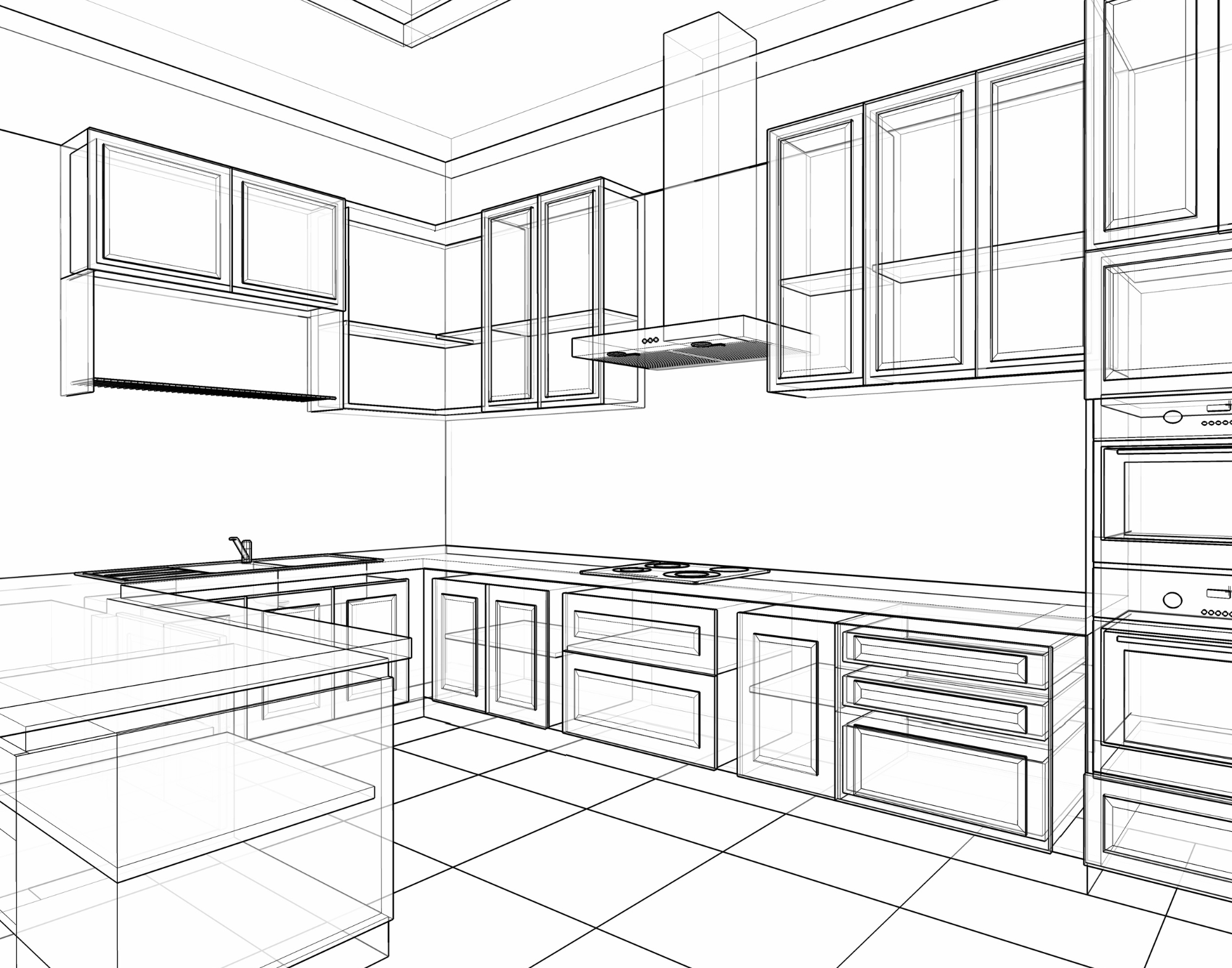
Early fabrication input helps designers and builders turn design intent into buildable details before site work exposes conflicts. Stone has limits around span, slab size, support, thickness, veining, and cutouts. Reviewing those limits early protects drawings from changes that feel small on paper but costly on site.
A waterfall island illustrates the point well. The drawings can show clean stone panels running to the floor, but the fabricator still needs to review slab size, vein direction, mitred edges, floor conditions, and cabinet support. If those details are missed, the installer can face awkward seams or extra reinforcement after the room is already finished.
Early input does not replace the designer’s vision. It protects it. When the fabricator reviews technical details before final approvals, the team can adjust seam locations, confirm edge profiles, and solve support needs while changes are still manageable. That keeps the project looking intentional instead of patched around late constraints.
Material guidance should match design intent with daily use
Material guidance should connect the look a designer wants with the way the surface will be used every day. Builders and designers need clear advice on durability, porosity, heat resistance, staining risk, finish options, and maintenance expectations. A beautiful slab still has to perform in the room where it’s installed.
A designer may specify marble for a kitchen because the veining suits the cabinetry and hardware. A fabricator can explain how marble will respond to acidic spills, heavy cooking, and daily cleaning. That guidance does not dismiss the design choice. It gives the client and project team a clearer understanding before final material approval.
The same logic applies to quartz, granite, quartzite, porcelain, and sintered stone. Each material has strengths, limits, and handling requirements. ABC Stone supports this stage through practical conversations around where the material will be used, how it will be fabricated, and what the finished surface needs to withstand after installation.
Builders need clear timelines before trades reach site
Builders need stone timelines that connect to site readiness rather than vague delivery windows. Fabrication depends on confirmed dimensions, approved material, accurate templates, slab availability, cutting time, finishing, and installation access. Clear timing helps builders coordinate cabinetry, plumbing, appliances, and final finishing work without preventable gaps.
A contractor sourcing countertops for a builder project should know that templating usually cannot happen until cabinets are installed and level. Sink models, faucet locations, appliance openings, and overhangs also need to be confirmed before fabrication. Missing one detail can push the stone schedule and create idle time for other trades.
Canadian residential renovation costs increased 0.9% in the second quarter of 2025, which makes avoidable rework more painful for project teams already managing tighter budgets. A clear fabrication schedule helps reduce rushed approvals, return visits, and last-minute site fixes that add pressure without improving the finished result.
Designers should review seams before final material approval
Designers should review seam placement before final material approval because seams affect how stone reads across the room. Seam planning depends on slab size, pattern movement, access, support, cutouts, and installation safety. A good seam plan balances appearance with the practical limits of fabrication and handling.
A large island with bold veining can look uneven if the seam interrupts the main movement of the stone. A quieter material can be more forgiving, but seam placement still matters near sinks, cooktops, corners, and overhangs. Reviewing this early gives the designer a chance to protect the visual rhythm of the space.
The tradeoff is simple. The cleanest visual option is not always the safest or most stable installation option. Good fabrication advice helps designers understand where seams can be minimized, where they should be accepted, and how layout choices will affect the finished surface. That conversation should happen before a client falls in love with one exact slab view.
What should designers ask before approving a fabricator?
Designers should ask questions that test process, communication, technical judgment, and installation discipline. A fabricator’s answers will show how they handle details before stone is cut. Strong answers are specific, practical, and tied to the way projects actually move from drawings to finished installation.
Useful questions include:
How do you confirm site readiness before templating?
Who reviews seam placement before fabrication begins?
How are sink, faucet, and appliance details approved?
What support details must be resolved before installation?
How do you communicate schedule changes to project teams?
A designer renovating a bathroom with a custom vanity top can use these questions to reveal process quality quickly. If the fabricator gives vague answers about templates, cutouts, or installation access, the designer knows the project could face coordination issues later. Clear answers help the designer protect both the client relationship and the finished work.
Installation standards shape the finished project quality

Installation standards shape how the final stone surface looks, feels, and performs after the project is complete. Clean fabrication matters, but poor installation can still lead to uneven seams, unsupported overhangs, rough transitions, or fit issues around walls, sinks, and appliances.
A kitchen with carefully selected stone can lose its refined feel if the countertop sits unevenly against the backsplash or the sink reveal looks inconsistent. The installer must account for site conditions, cabinet levelness, access, adhesive use, seam finishing, and final cleanup. These details are visible to clients even when they do not know the technical cause.
Builders should treat installation quality as part of the scope, rather than an afterthought after cutting. Designers should ask how final fit is checked and how site concerns are handled before installation day. Strong standards create a smoother handoff because the finished stone feels integrated with the rest of the room.
Local stone support makes project coordination easier
Local stone support gives designers and builders a practical advantage because project details can be reviewed with less distance between the showroom, fabrication team, and job site. That proximity helps teams clarify materials, measurements, site readiness, and installation expectations with fewer communication gaps.
A renovator working on a tight kitchen schedule benefits from a fabricator who understands local project pacing and can speak directly about showroom visits, slab review, templating, and installation access. Local support also helps when a designer needs to confirm a finish detail before presenting final selections to a client.
The best fabrication partnerships are built through disciplined execution over time. Designers and builders need steady communication, accurate measurements, honest material guidance, and installation care that matches the design standard. ABC Stone fits into that process as a local custom stone partner that helps turn design plans into finished surfaces with the coordination and precision project teams need.